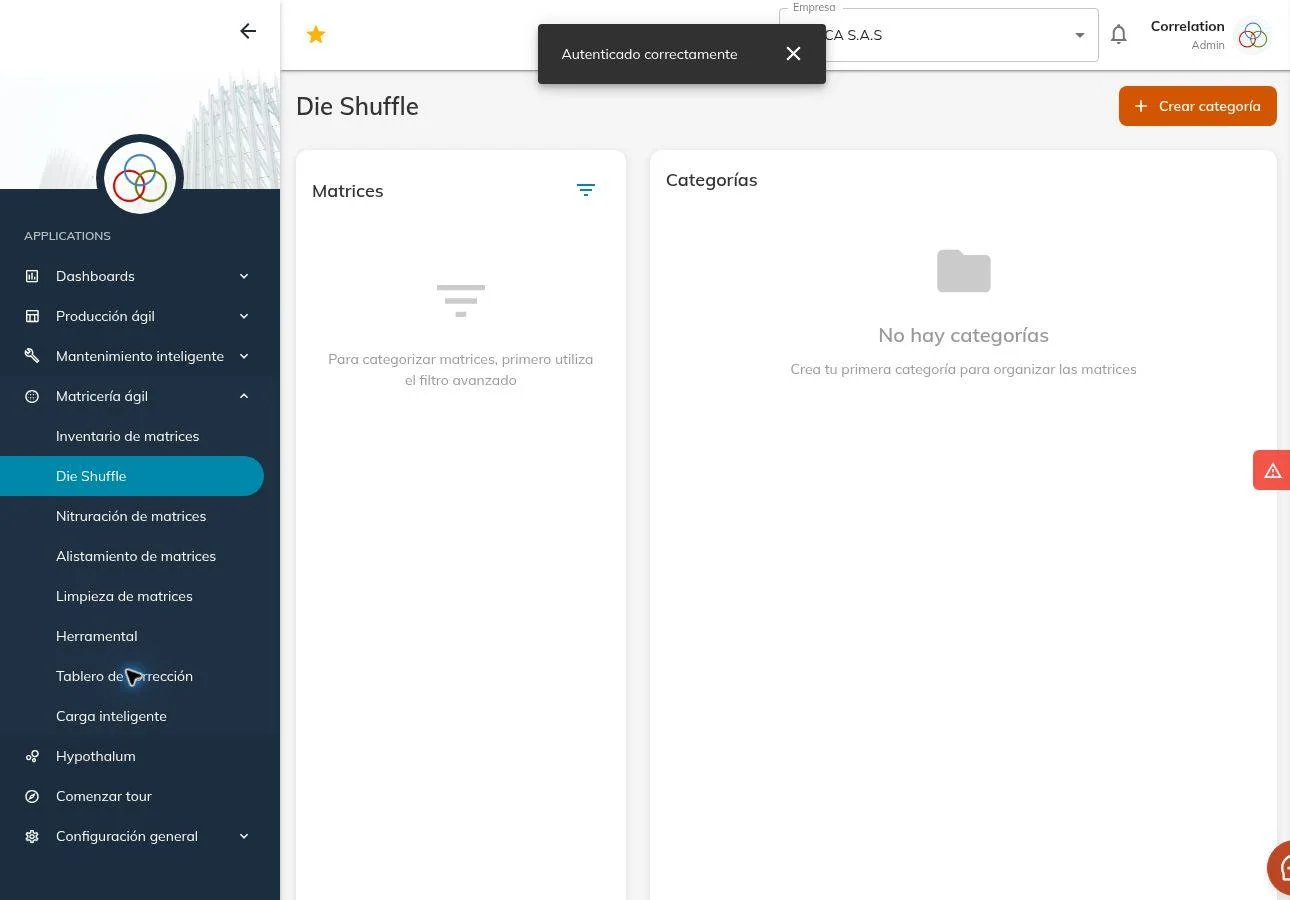
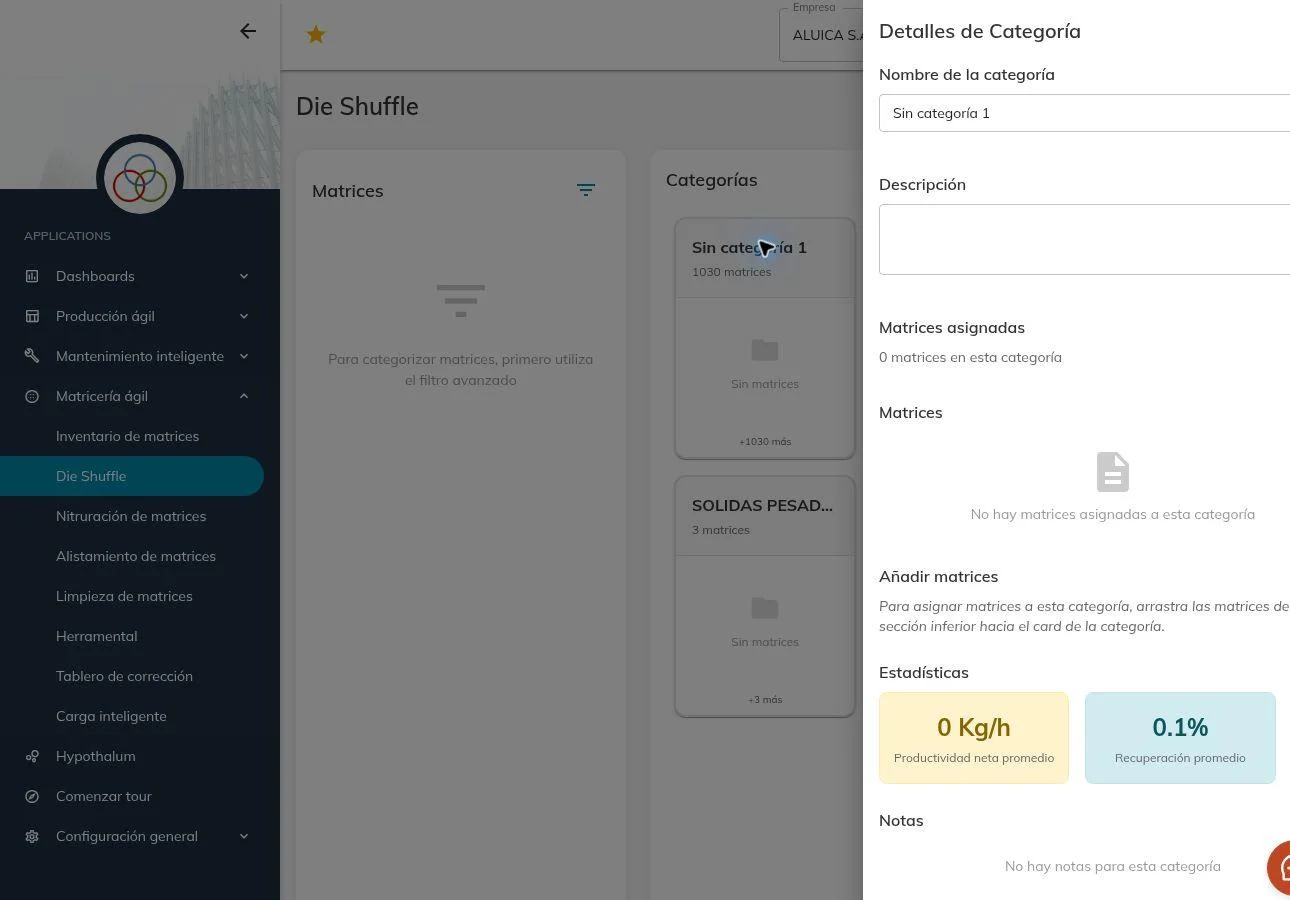
One of the most important examples of this philosophy is Die Shuffle.
Most die management systems treat every die as an individual record.
That provides useful history, but it does not necessarily help engineers understand broader patterns across an entire tooling population.
Die Shuffle was built around a different idea.
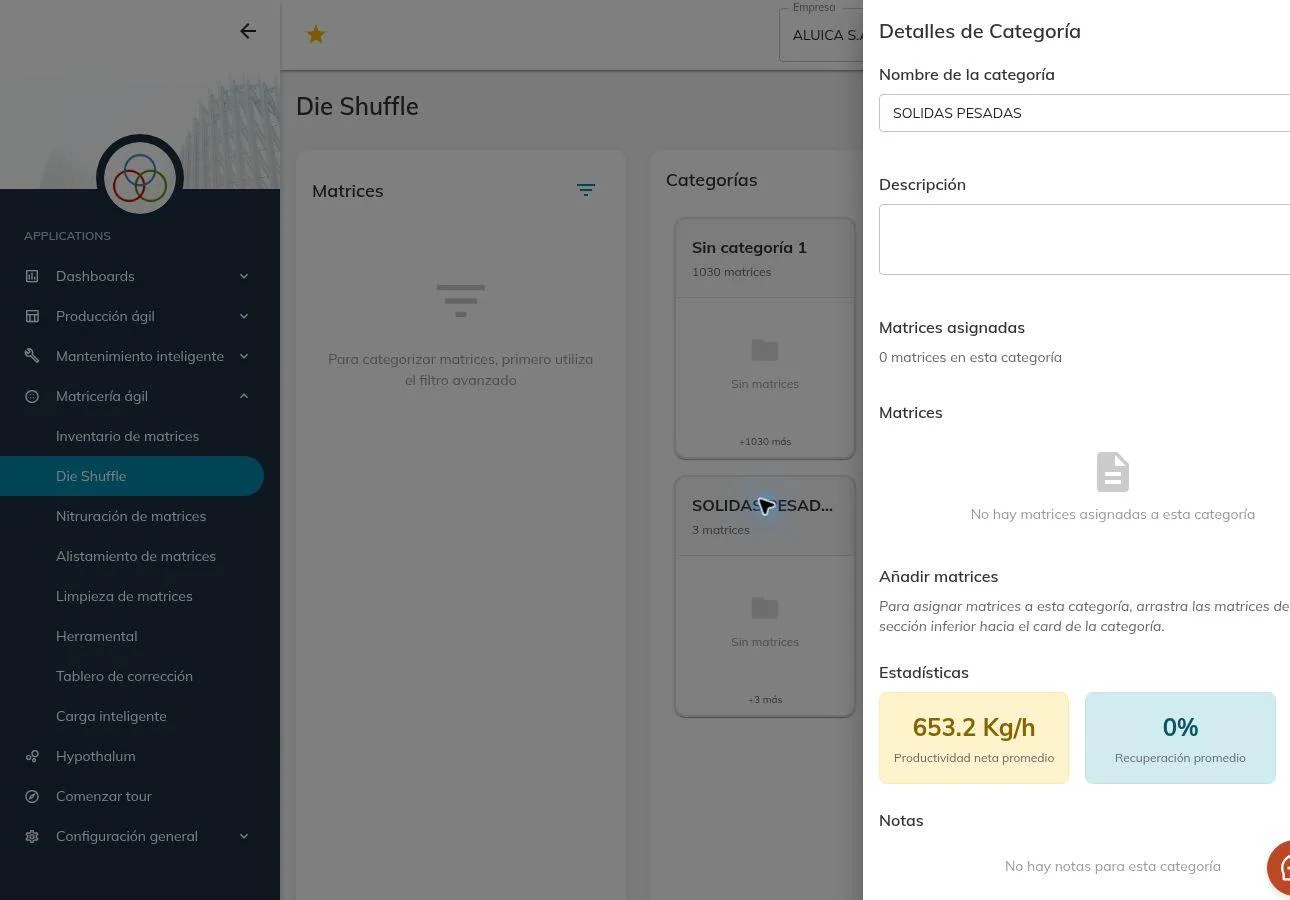
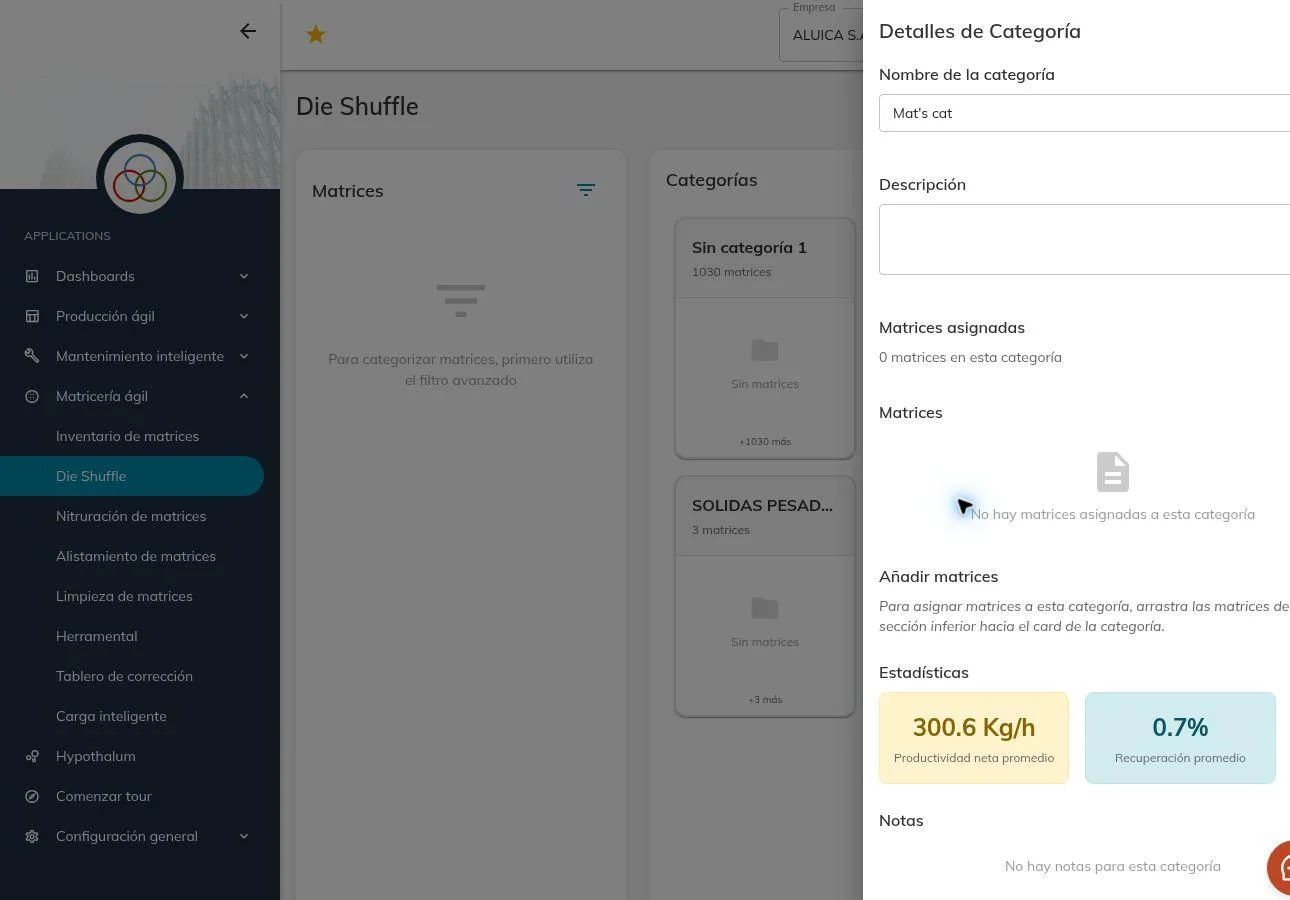
Rather than focusing on one die, Die Shuffle is a framework for grouping, organizing, visualizing, graphing, and comparing families of similar dies.
The power of the framework comes from comparison.
Engineers can create groups of dies that share common characteristics and then evaluate their performance across consistent engineering variables.
Those groups can be built using metadata such as profile type, dimensional characteristics, customer, alloy, application, or other relevant classifications.
But Die Shuffle goes further than metadata.
It is also a visual framework.
The appearance of the shape being extruded is treated as an important engineering attribute.
That matters because extrusion engineers often recognize profiles visually before they recognize them by part number, description, or database field.
A profile's geometry often communicates something immediately about the challenges associated with extruding it.
For that reason, Die Shuffle prioritizes the visual appearance of the extruded shape alongside its dimensional characteristics and metadata.
Engineers can visually identify related shapes, group them together, and compare how those groups perform.
This creates an analytical environment that reflects the way engineers naturally think.


