
This is the difference between storing die data and creating die intelligence.
Data tells you what happened.
A framework allows you to compare what happened across similar situations.
Comparison creates context. Context creates insight. And insight creates better engineering decisions.
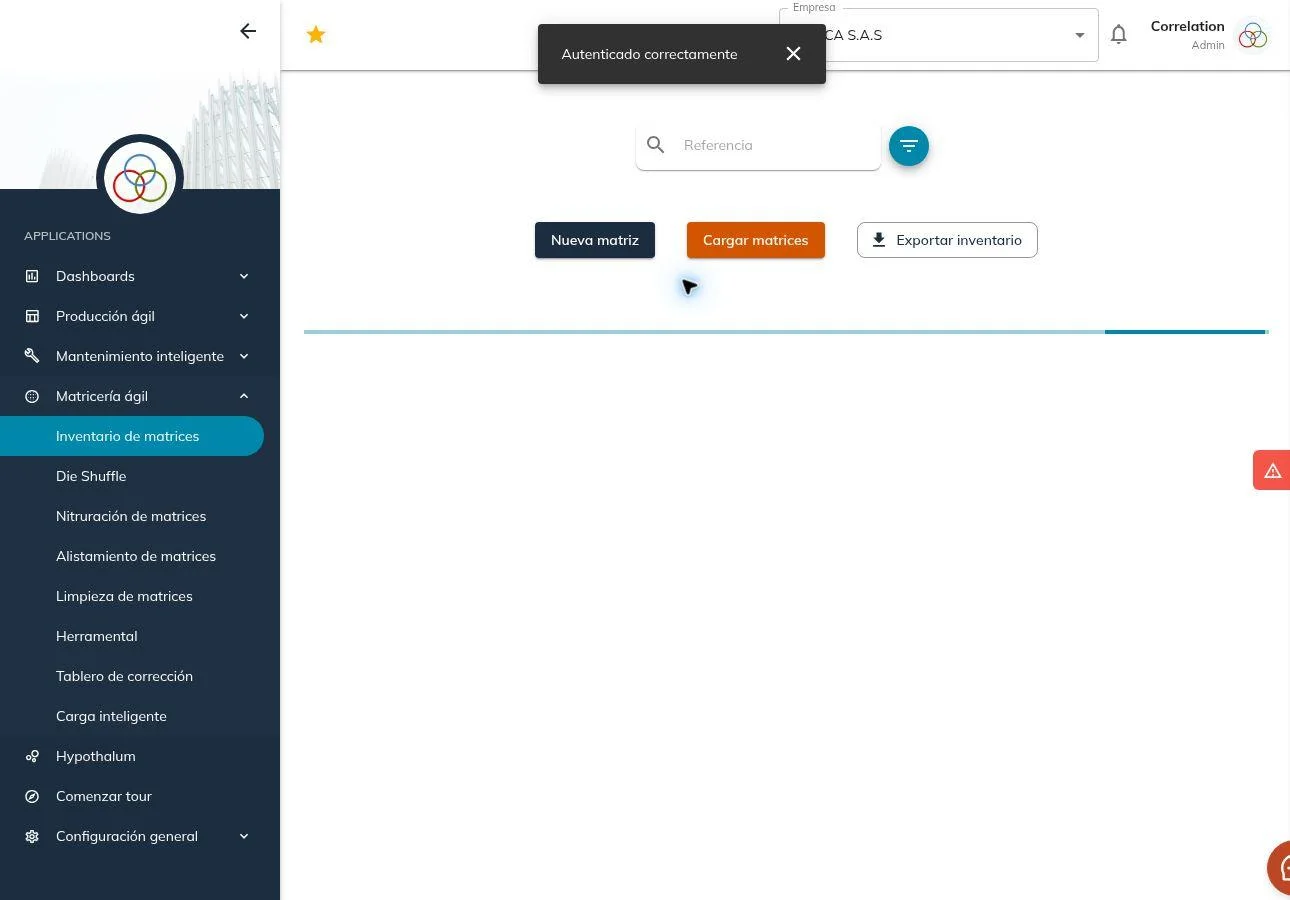
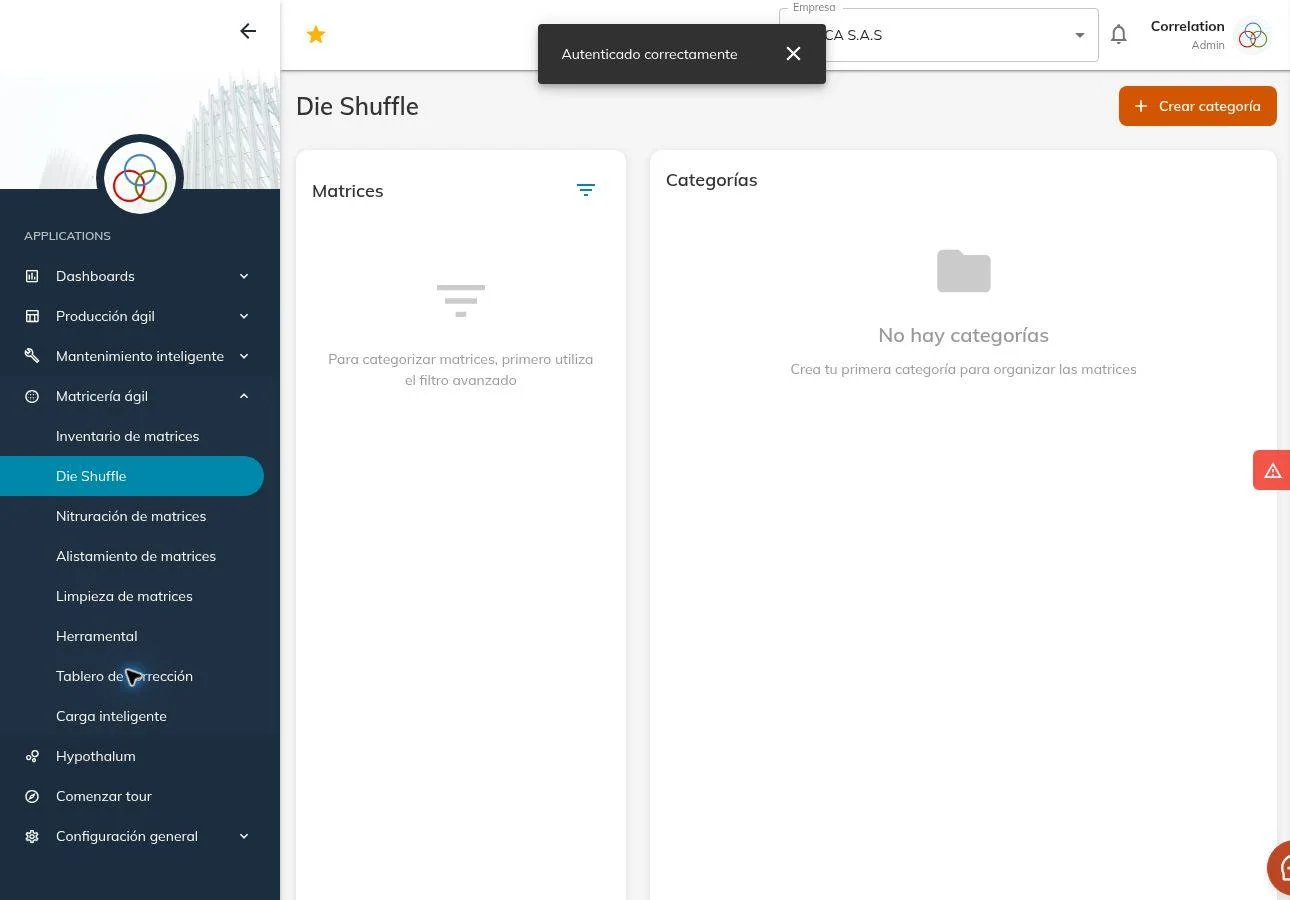
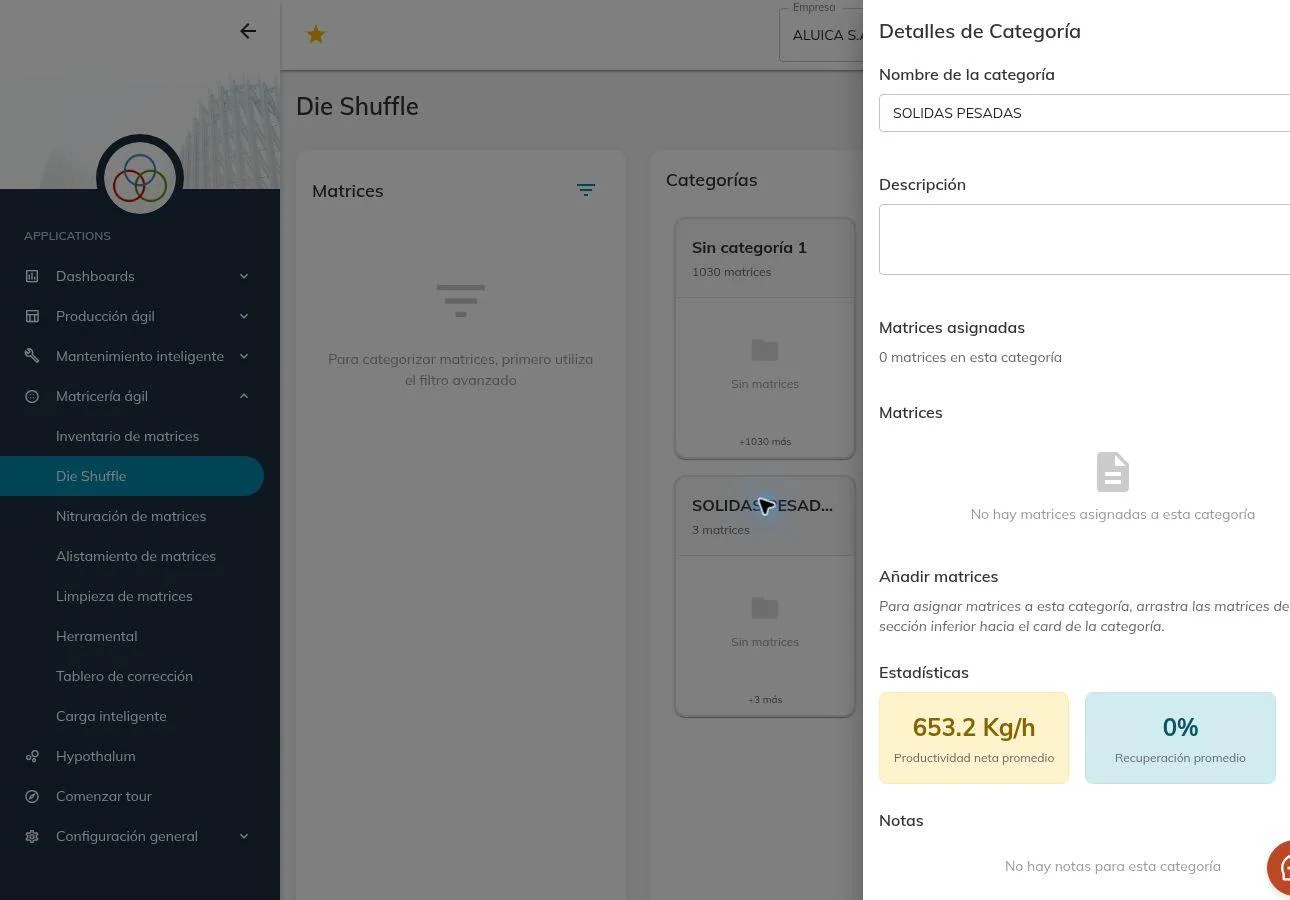
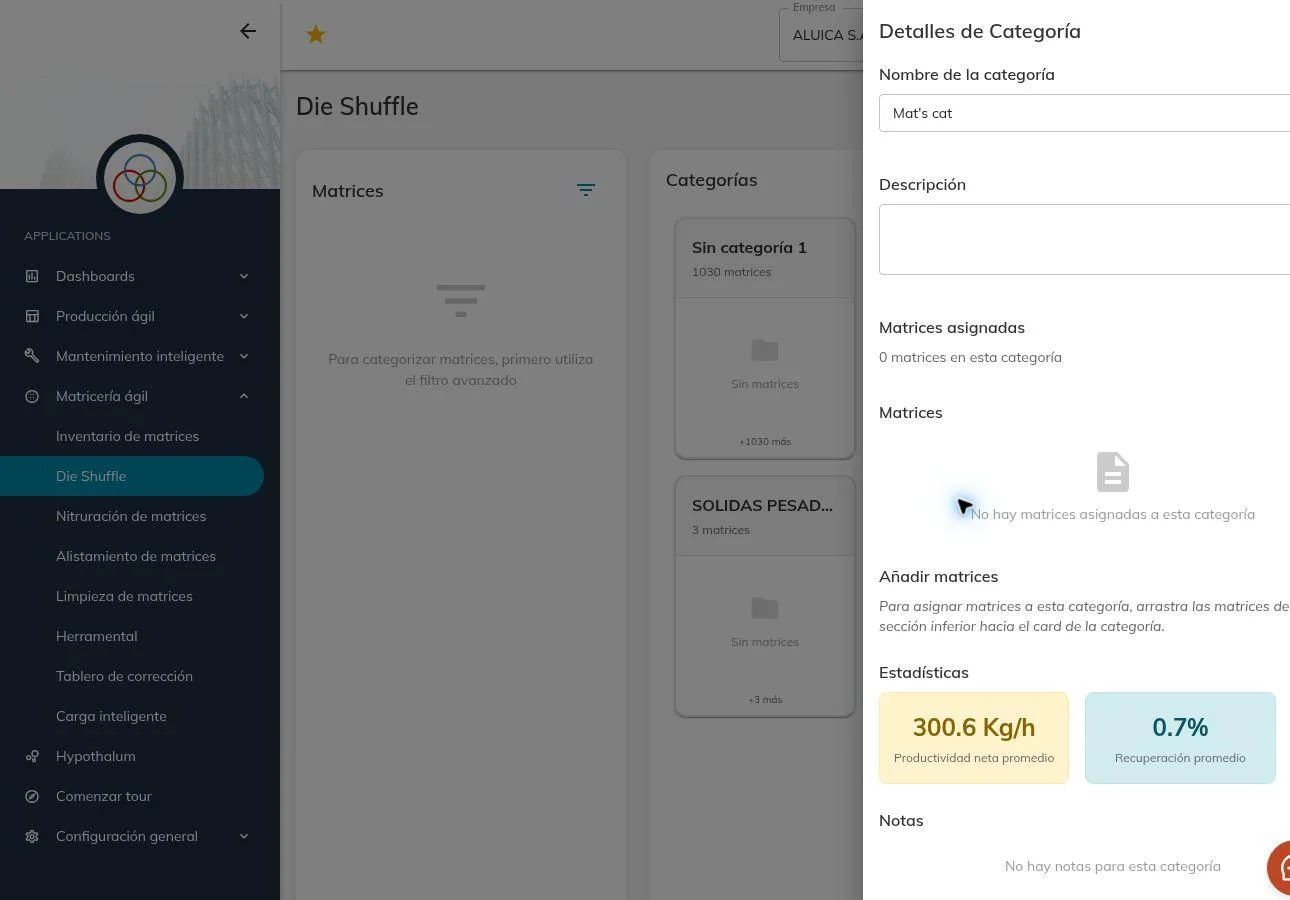
Within Die Link, Die Shuffle provides a way to turn a large collection of individual tooling records into a structured environment for comparative engineering analysis.
Instead of relying on memory or anecdotes, engineers can see how groups actually perform.
Successful design tendencies become visible. Recurring failure patterns become easier to recognize. Poor-performing concepts can be identified.
Engineering effort can be directed toward the areas where it will create the greatest return.
The objective is to transform a collection of dies into a body of engineering knowledge.


