
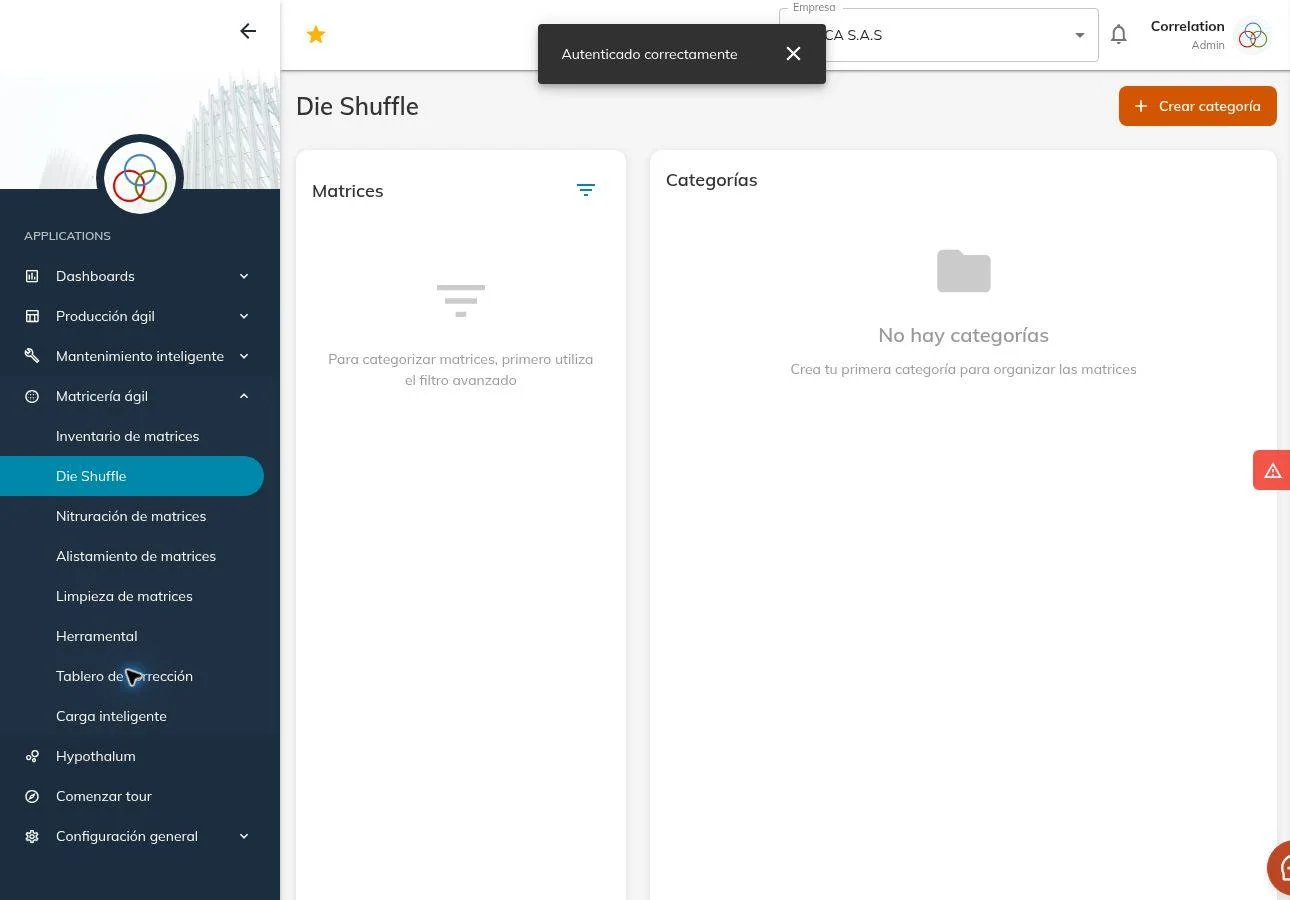
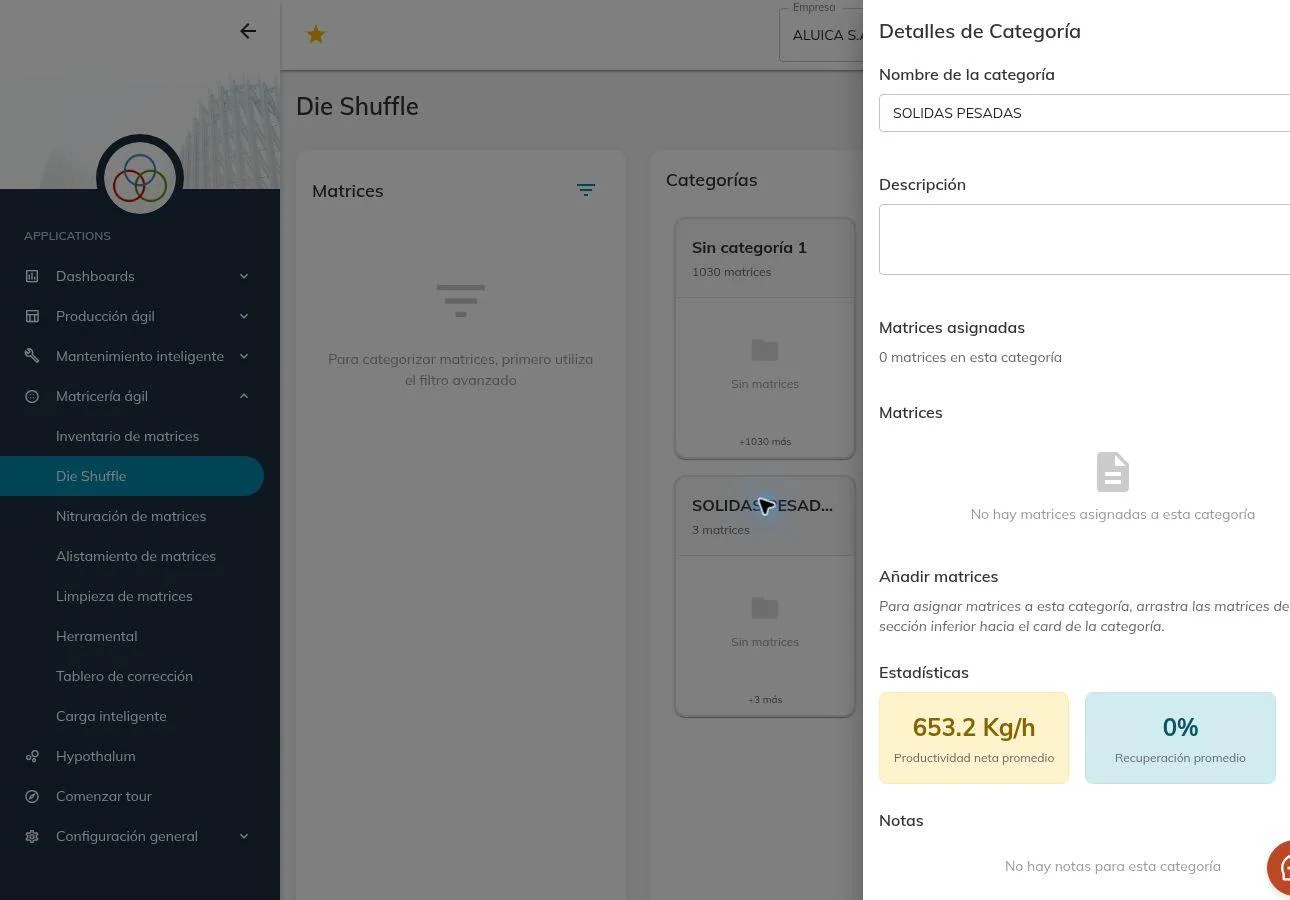
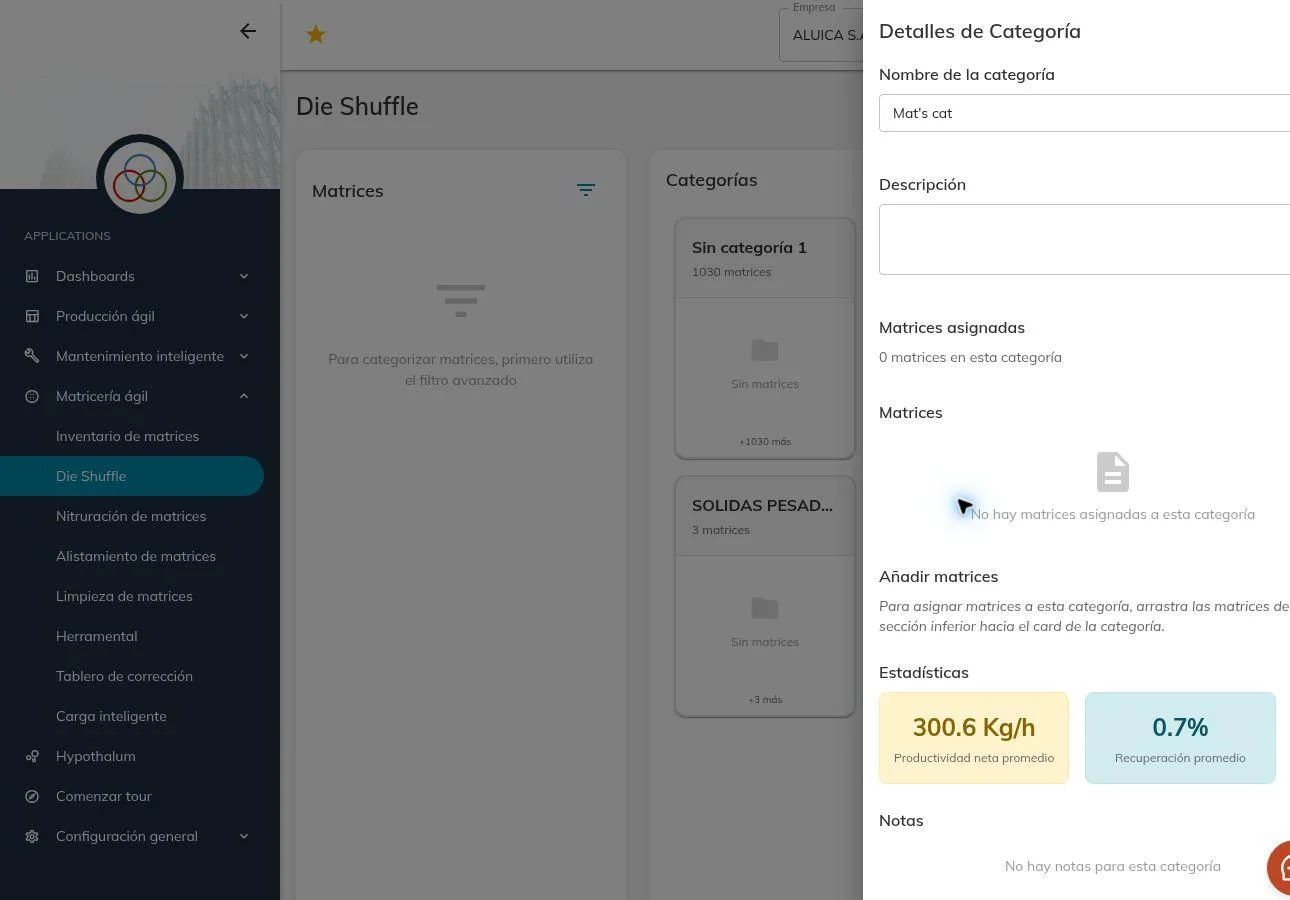
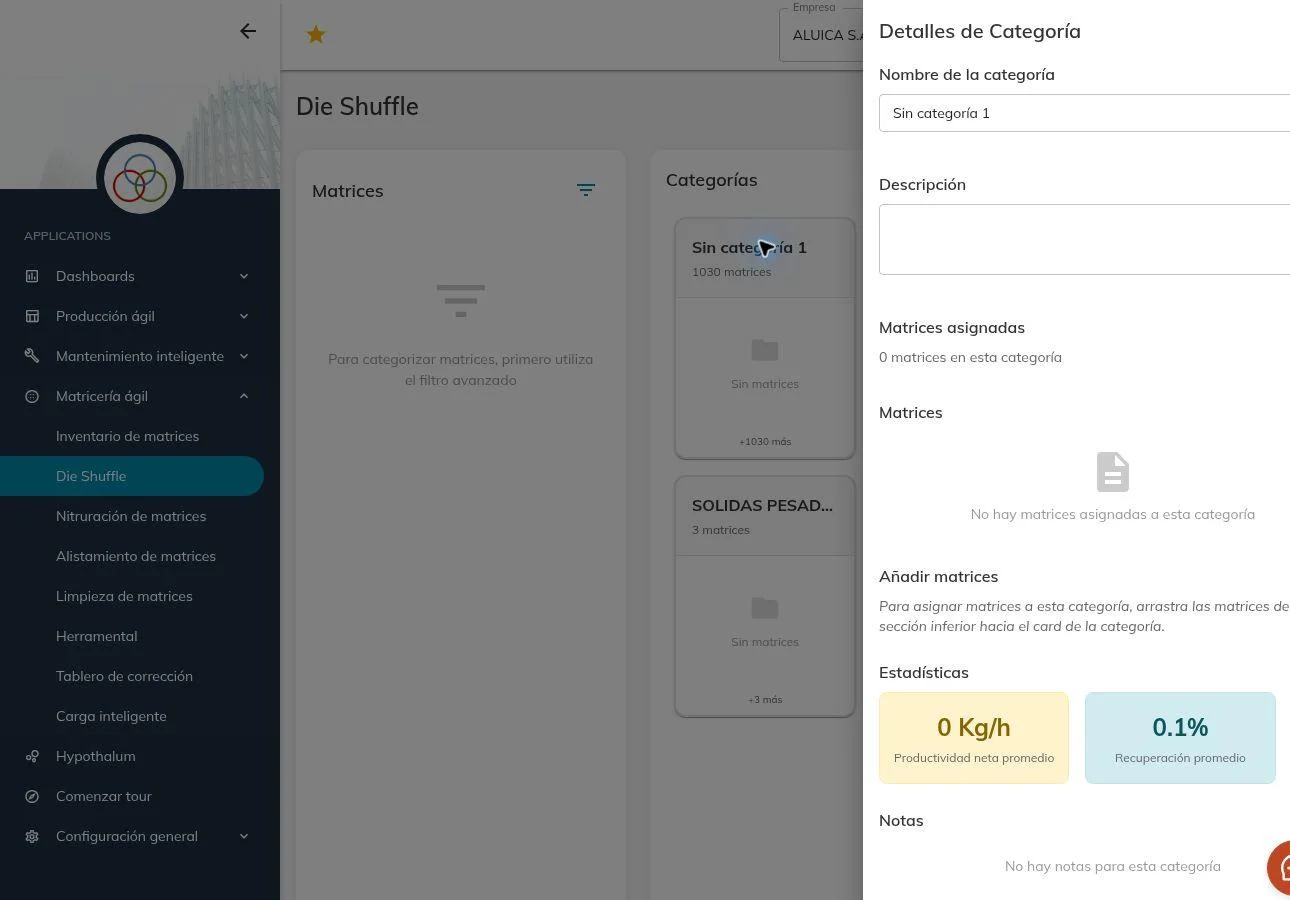
The purpose of Die Shuffle is not to provide a more detailed view of a single die.
The purpose is to create meaningful groups and compare them.
Once similar tooling has been organized together, engineers can analyze those groups across variables such as:
- Correction history.
- Cost per extruded kilogram.
- Recovery performance.
- Other engineering performance measures.
That changes the questions an organization can ask.
Instead of asking "How did this die perform?" an engineer can ask:
- "How do dies with this type of geometry perform?"
- "Which families of shapes consistently achieve higher productivity?"
- "Which geometric characteristics are associated with certain failure modes?"
- "Which group of dies has the highest cost per extruded kilogram?"
- "Which design approaches consistently outperform comparable alternatives?"
- "Which corrections appear to work across a family of similar tooling?"
Those are fundamentally more powerful questions.
A single die can tell you what happened.
A group of comparable dies can begin to tell you why.
This is the power of Die Shuffle.


