
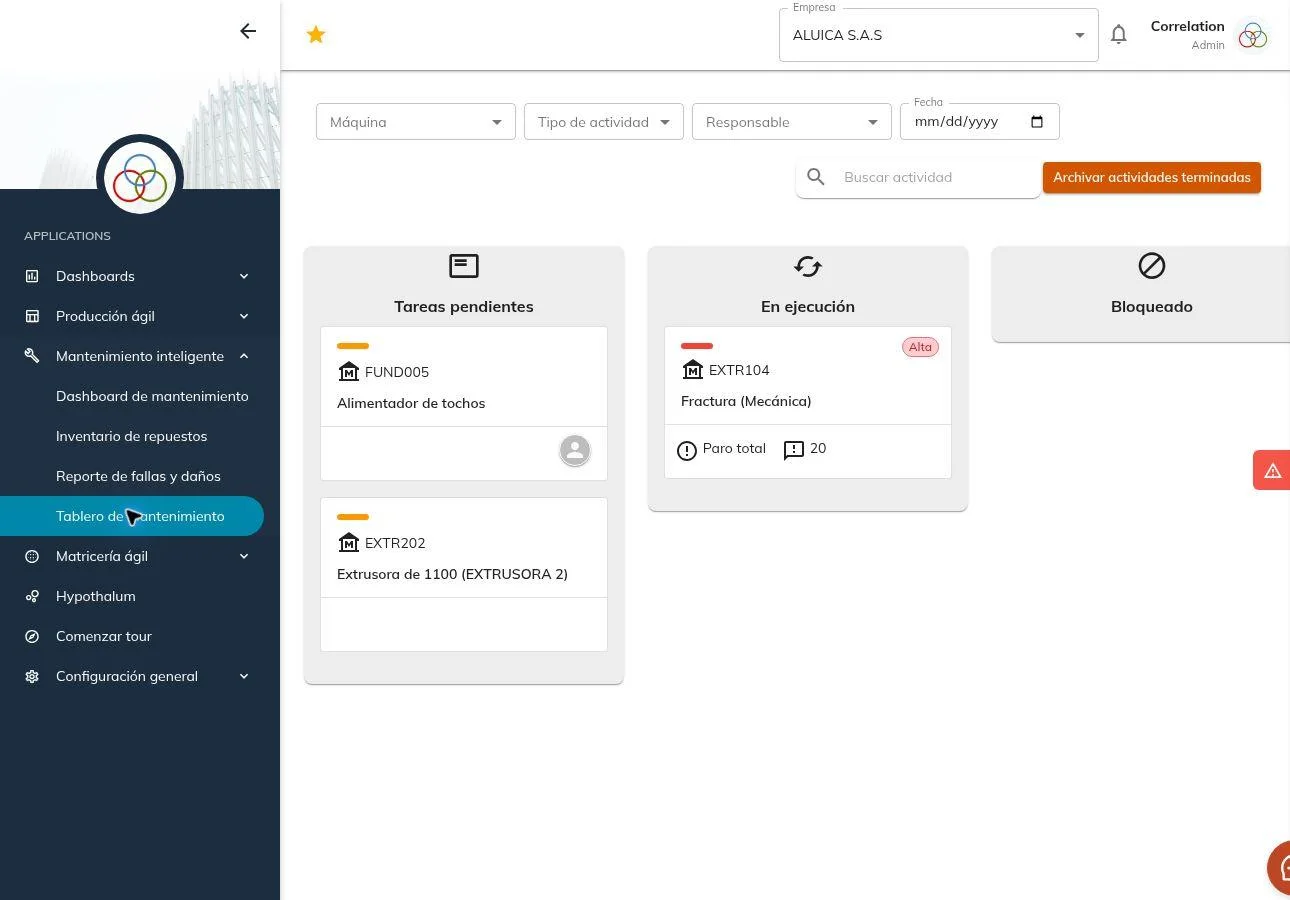
Not every important activity begins with a problem.
Manufacturing also depends on hundreds of recurring tasks that need to happen consistently.
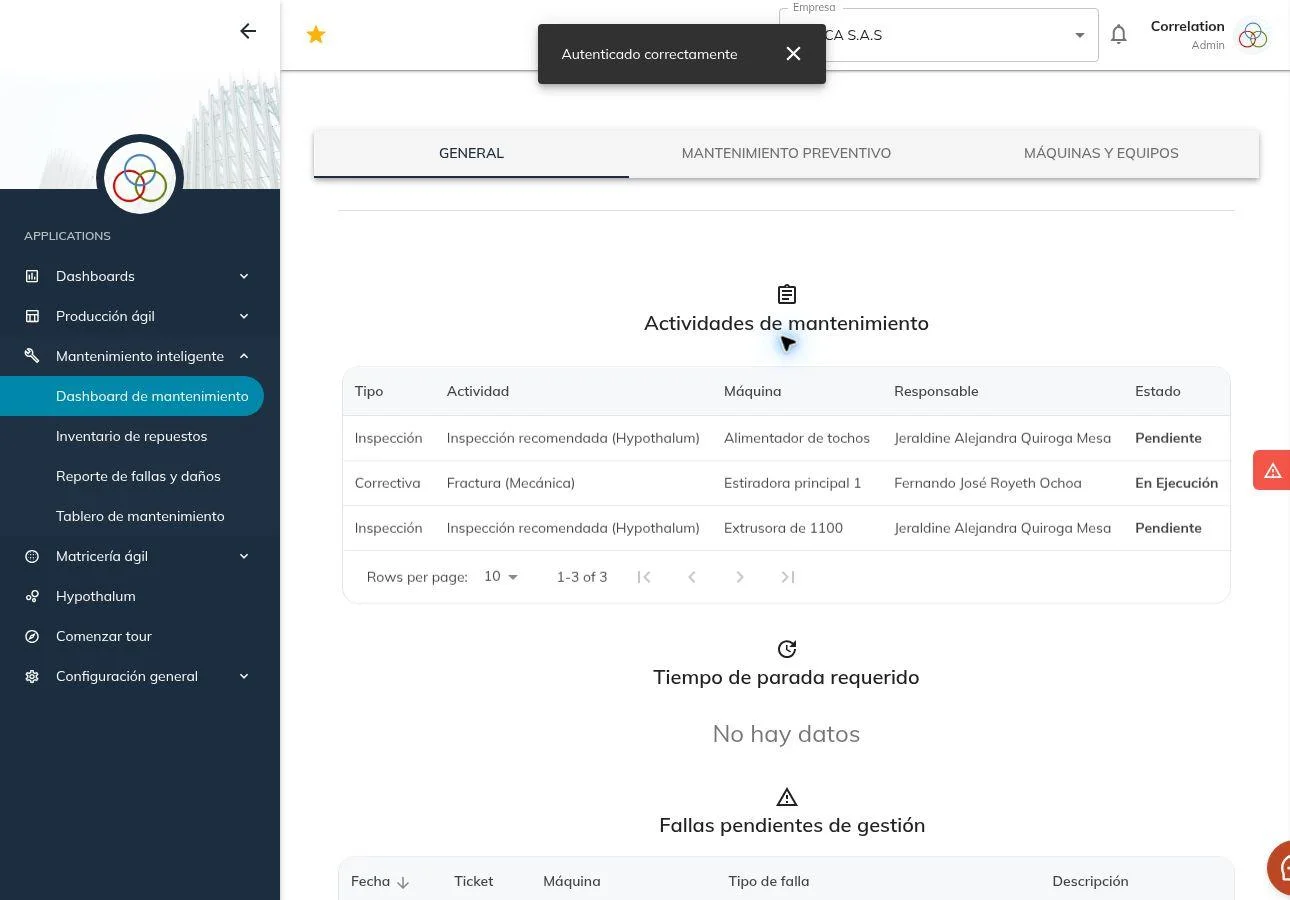
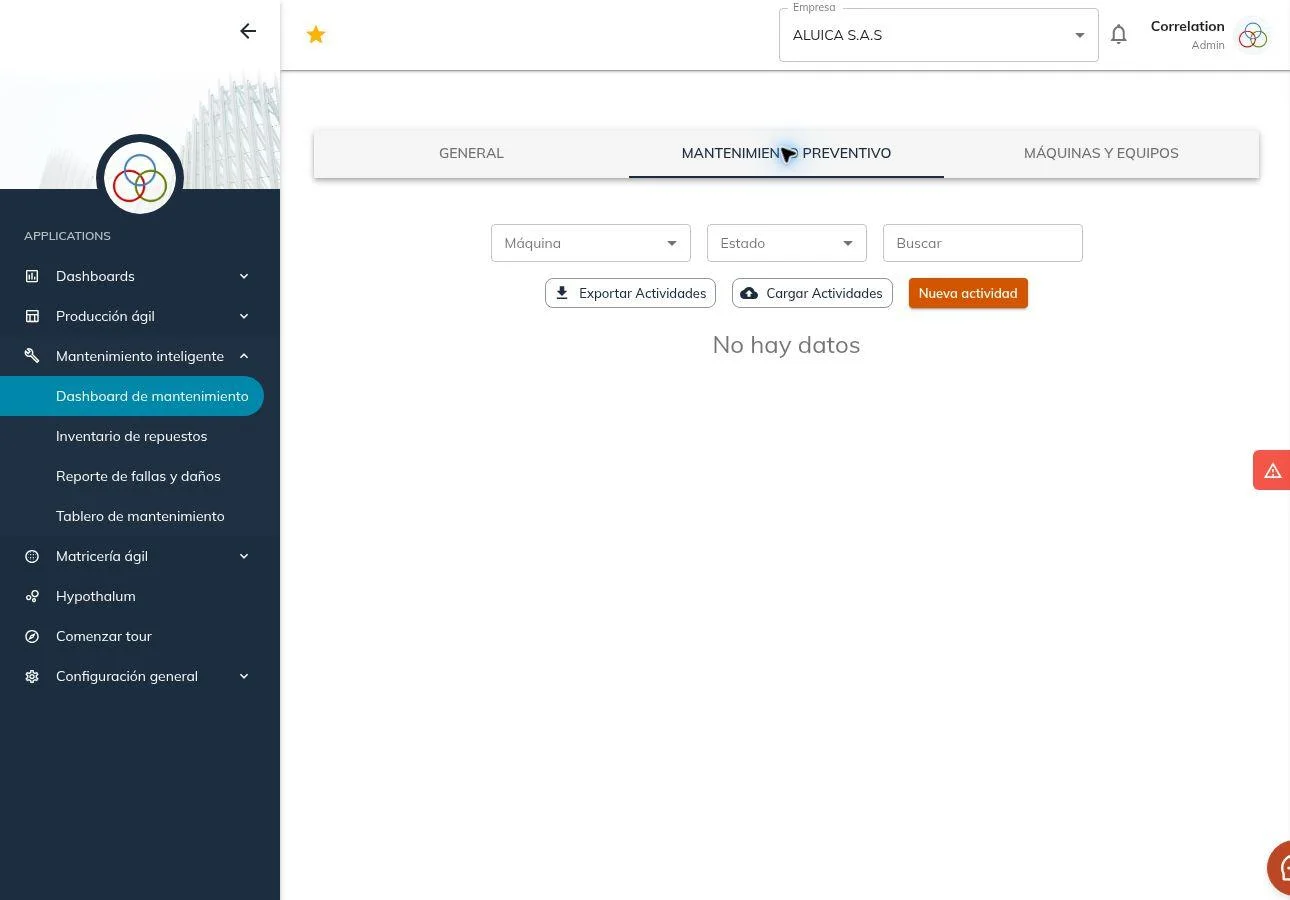
Preventive maintenance is an obvious example.
The important question is not whether everyone agrees that preventive maintenance should be done.
The question is whether the organization has a framework that makes the work reliable.
A useful recurring-task framework should define:
- What needs to be done.
- How frequently it should happen.
- Who is responsible.
- What tools or instructions are required.
- How completion is confirmed.
- How the task itself is periodically reassessed.
Once recurring work is structured this way, it stops depending on memory.
The organization also gains the ability to improve the framework itself.
If a task is being completed at the wrong frequency, the frequency can be adjusted. If a procedure is unclear, it can be updated. If repeated failures continue despite the task being completed, the task can be redesigned.
The framework becomes a living system rather than a static checklist.


